The aim of this essay is to discuss the psychological factors that affect helping behaviour, and also to present a model which explains why people sometimes do not help others in need.
A number of psychological factors can inhibit helping behaviour. These include the diffusion of responsibility (the belief that someone else will take care of the problem), bystander apathy (the assumption that somebody else will help), and fearfulness (fear of harm or injury). In addition, there are individual differences in altruism – some people are more likely than others to help strangers in need. Finally, cultural norms may also play a role – for example, societies which emphasise self-reliance may be less likely to exhibit helping behaviours than those which stress co-operation and communal supportiveness.
According to my model, individuals vary in their willingness or ability to provide assistance during an emergency situation. The key determinants are: firstly, attitudes towards altruism ; secondly, perceptions of social distance ; thirdly, perceived vulnerability; fourthly, expectations about how other people would behave; and fifthly, situational constraints.
In general terms, we might say that individuals who have positive attitudes towards altruism, who perceive close social relationships.
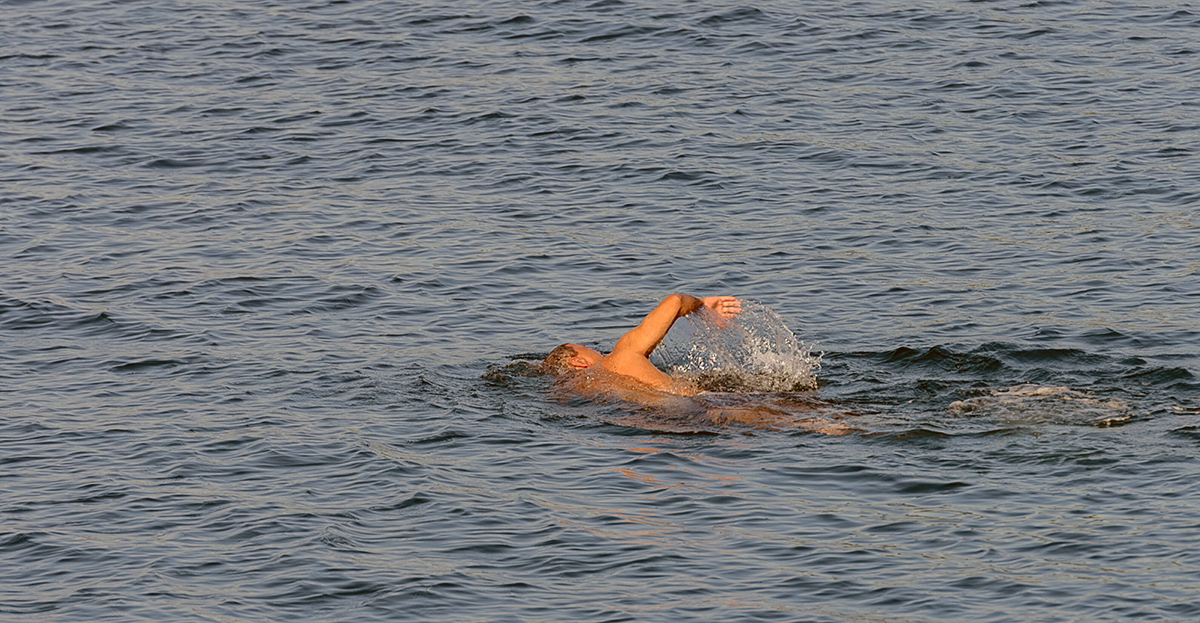
It was earlier this month when Valerio, who lives in Calabria on the southern coast of Italy, noticed somebody in trouble while he was out swimming with some friends. He quickly swam over and pulled the struggling 14-year-old girl to safety. But it wasn’t easy; according to witnesses, Valerio had to battle strong currents and waves during the rescue.
Afterwards, both Valerio and the rescued girl were brought ashore by onlookers before being checked over by medics. Thankfully, they were both reported as doing well after the ordeal …
Without any hesitation, Valerio leapt into the water and began swimming out to reach them. Somehow he was able to make it to the sisters, bring them back to shore and saving their lives. This story is a true testament of faith in action – not only did Valerio have belief in something greater than himself but also put that belief into practice when it counted most.
When he was 11, Ethan Burkett saved his little sister from drowning in their family’s pool. Despite being completely unable to swim and suffering a debilitating seizure disorder known as Lennox-Gastaut Syndrome, Ethan leapt into the water and pulled her to safety.
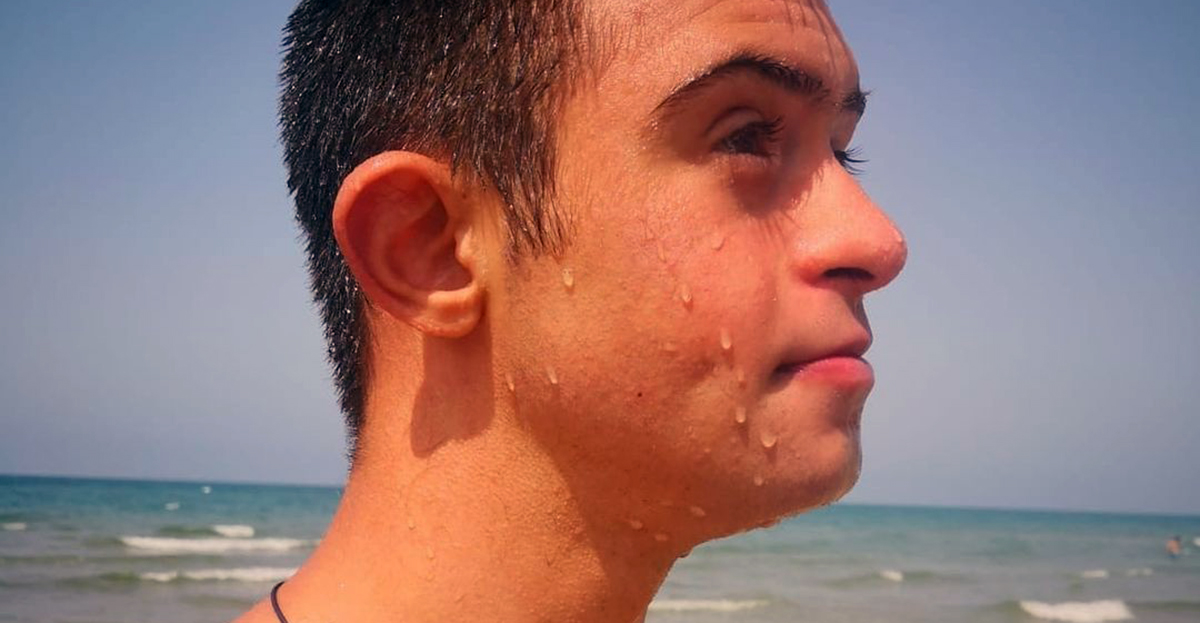
Only two years later, when 13-year-old Ethan heard screams coming from the ocean near his family’s home in Florida, he once again put himself in danger without a second thought. This time it was an older girl who had been swept out by a riptide – but Ethan managed to bring her back to shore safely while keeping her head above water until help arrived.
Overnight, Valerio became a recognized hero, celebrated in the press. But he remained the same humble, shy guy he always was. He deserves all of the praise that he is getting from around the world. It’s small wonder people are calling him a hero!