The first step for a wild animal is to learn how to interact with its family and other members of the same species. This can be done by observing them and copying their behavior. For example, when young deer are born, they stay close to their mother and learn from her what is safe to eat and how to avoid danger.
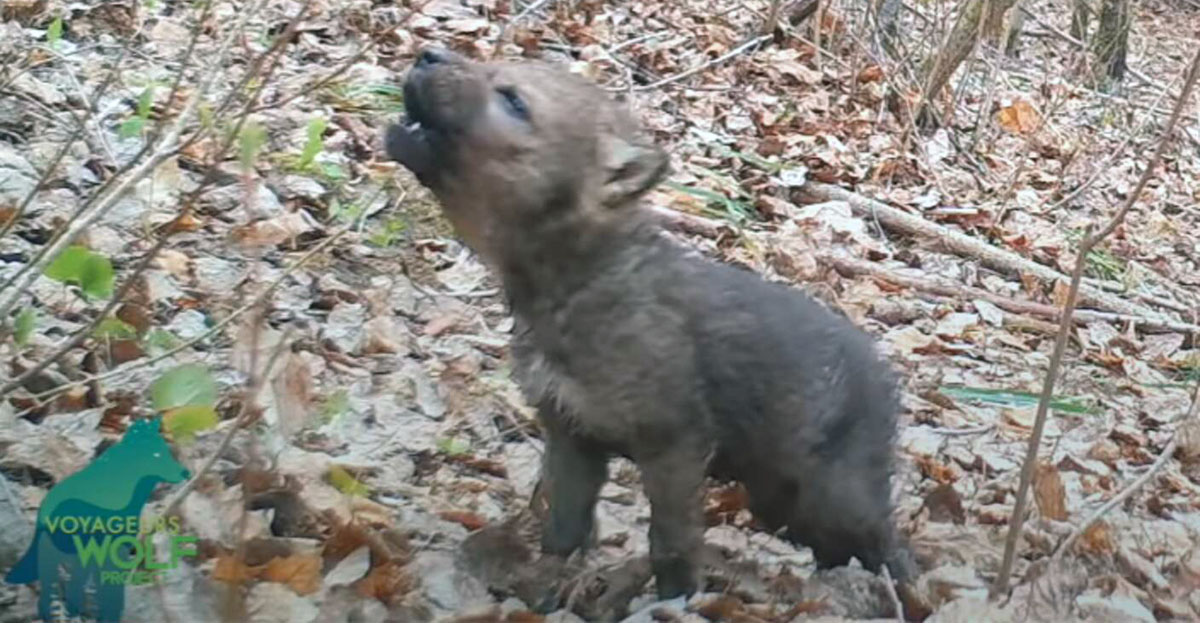
Once an animal has learned the basics about interacting with others, it needs start practicing communication skills in order tob e successful in finding food or mates. One way animals do this is by using specific sounds or body language that only certain individuals will understand. Ravens, for instance, use different calls depending on what they want (e.g., sharing food or warning others of a predator).
It takes time and practice for wild animals to develop the socializing and communication skills they need in order thrive in the wilderness. However , these abilities ultimately help them survive better than those who don’t have them.
Baby lions and wolves learn how to communicate with their parents from an early age. For example, cubs will mimic the calls of their mothers while they’re nursing. As they get older, they start to experiment with different sounds until they find a roar or howl that works best for them.
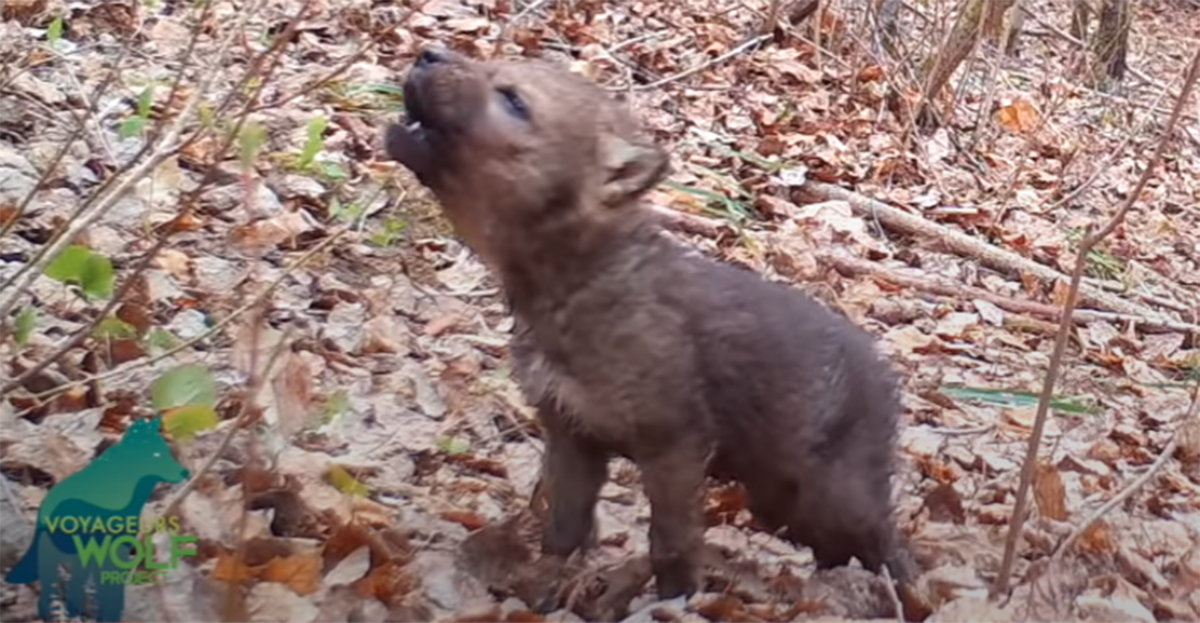
The moment the wolf pup howls is so sweet and heartwarming, seeing it learn how to communicate with its pack in such a fundamental way. We can only hope that this little one grows up safe and sound!
The tiny wolf, which is just about the size of a house cat, was captured on video howling for the first time.
Wolves are known for their distinctive howls that can be heard from miles away. And it seems this little one is no exception! The pup’s first howls from just weeks ago. Warning: the pup is pretty loud for only being 4-weeks old!